AI vs Human Creativity: 7 Powerful Insights Where Designers Truly Stand
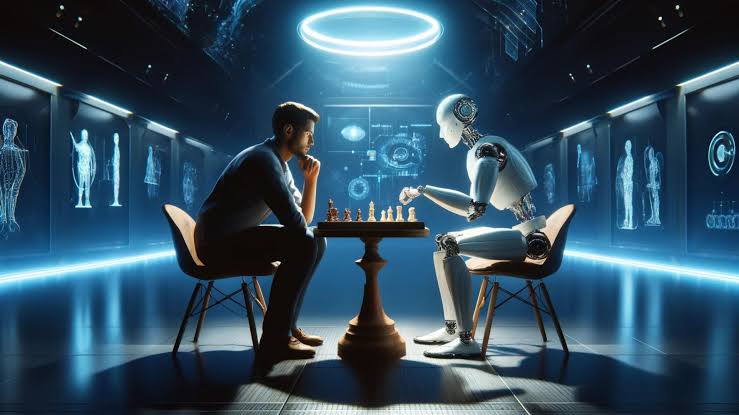
AI vs Human Creativity: Where Do Designers Stand?
In today’s fast-paced digital world, designers are facing a new wave of transformation with the rise of AI-generated creativity. Tools powered by artificial intelligence can now generate logos, layouts, and even complete brand identities within seconds. This sparks an important debate: Where do designers stand when AI seems capable of doing their job faster and cheaper?
Let’s dive into the debate between AI-generated design and human intuition to understand how the two compare, clash, and ultimately complement each other.
AI in Design: The Rise of Automation
AI has quickly made its mark in design through platforms like MidJourney, DALL·E, and Canva’s AI features. These tools allow users to create professional-level visuals without needing advanced design training.
- Speed & Efficiency: AI tools can generate hundreds of design variations in minutes.
- Accessibility: Small businesses and startups with limited budgets can access design solutions quickly.
- Data-Driven Insights: AI can analyze market trends, user behavior, and brand preferences to create optimized designs.
This makes AI incredibly powerful for quick prototyping, brainstorming, and repetitive design tasks.
The Power of Human Creativity in Design
While AI excels at speed and scale, human designers bring something AI cannot replicate: intuition, empathy, and emotional depth.
- Storytelling Ability: Human designers infuse personal experiences, emotions, and cultural understanding into their work.
- Nuance & Subtlety: A designer can sense when a color feels “off” or when a layout resonates emotionally.
- Ethics & Context: Unlike AI, humans can consider cultural sensitivities, ethics, and social impact when designing.
In short, human creativity isn’t just about making something look good—it’s about creating meaningful connections with people.
AI vs Human Creativity: The Debate
| Aspect | AI-Generated Design | Human Creativity | |--------------------|---------------------|-----------------| | Speed | Ultra-fast, generates instantly | Slower but thoughtful | | Cost | Affordable or free | Higher cost due to expertise | | Originality | Based on trained data, can repeat styles | Truly original ideas | | Emotional Depth| Limited, lacks empathy | Rich, emotionally intelligent | | Scalability | Handles mass production easily | Limited by time & effort | | Contextual Fit | May misinterpret cultural nuances | Deep understanding of context |
The Middle Ground: Collaboration Between AI and Designers
Instead of viewing AI as a competitor, many designers see it as a collaborative partner. AI can handle the repetitive groundwork, while designers refine and add the human touch.
Ways Designers Can Use AI as a Partner:
- Generate quick prototypes to test ideas.
- Use AI for inspiration and brainstorming.
- Speed up repetitive tasks like resizing images.
- Analyze data to predict design trends.
This approach allows designers to focus on strategy, storytelling, and innovation rather than getting stuck in repetitive work.
The Future of Design: Will AI Replace Designers?
The truth is, AI won’t replace designers—but designers who embrace AI may replace those who don’t.
Design is ultimately about communication, emotion, and human connection, areas where AI still falls short. But by blending AI’s speed with human creativity, the design industry can move toward a future of co-creation.
FAQs on AI vs Human Creativity in Design
1. Can AI completely replace human designers?
No. AI can automate tasks but lacks intuition, empathy, and cultural awareness that human designers provide.
2. What is the biggest strength of AI in design?
Its ability to generate designs quickly and at scale, making it great for rapid prototyping and brainstorming.
3. Why is human creativity still important?
Humans bring storytelling, emotional depth, and cultural sensitivity that AI cannot replicate.
4. How can designers use AI without losing originality?
By using AI as a starting point for ideas, then adding personal creativity, context, and refinement.
5. Is AI-generated design considered original?
Not entirely—it’s based on patterns and data from existing works. True originality still comes from human creativity.
6. What does the future of design look like with AI?
A collaborative space where AI handles efficiency, and humans focus on strategy, meaning, and emotional impact.
Conclusion: Finding Balance in the AI vs Human Creativity Debate
The debate between AI-generated design and human intuition isn’t about competition—it’s about balance. AI brings speed, efficiency, and accessibility, while human designers add meaning, empathy, and originality.
In the end, the future of design lies not in choosing between AI and humans but in embracing both as creative partners. The designers who thrive will be the ones who use AI as a tool while keeping their unique creative voice alive.
Related Posts
Top 7 AI Apps for Android in 2025: Free Voice, Chat, Music & Art Tools
Discover the best AI apps for Android in 2025. From free AI voice text to speech to creative tools like Dream by Wombo, Moises AI, and chat apps—explore the top AI tools to boost creativity, productivity, and fun.
Meta’s Bold Leap: Ray-Ban Display, Neural Band & the Future of AI Glasses
Meta has unveiled its most advanced smart glasses yet—Ray-Ban Display with built-in AR display, gesture control via the Neural Band, and upgraded Gen-2 Ray-Ban models. In this post we’ll explore features, release info, pricing, and what these wearables mean for privacy, convenience, and the evolution of wearable AI.
Revolutionary Google Chrome AI Update Set to Transform Web Browsing
This blog explores how Google Chrome’s latest AI update is set to revolutionize web browsing. From smarter search and personalized experiences to enhanced productivity tools and stronger security, the update will reshape how users interact with the internet.
You might like
Revolutionary Google Chrome AI Update Set to Transform Web Browsing
This blog explores how Google Chrome’s latest AI update is set to revolutionize web browsing. From smarter search and personalized experiences to enhanced productivity tools and stronger security, the update will reshape how users interact with the internet.
What is AI? A Complete Guide to Artificial Intelligence
This blog post explores the fundamentals of Artificial Intelligence (AI), its history, applications, benefits, and challenges. Whether you're a beginner or curious about the future of AI, this guide breaks down everything you need to know in simple terms.
Meta’s Bold Leap: Ray-Ban Display, Neural Band & the Future of AI Glasses
Meta has unveiled its most advanced smart glasses yet—Ray-Ban Display with built-in AR display, gesture control via the Neural Band, and upgraded Gen-2 Ray-Ban models. In this post we’ll explore features, release info, pricing, and what these wearables mean for privacy, convenience, and the evolution of wearable AI.
Top 7 AI Apps for Android in 2025: Free Voice, Chat, Music & Art Tools
Discover the best AI apps for Android in 2025. From free AI voice text to speech to creative tools like Dream by Wombo, Moises AI, and chat apps—explore the top AI tools to boost creativity, productivity, and fun.